All-Electric
The Lexus All-Electric range is powered by two decades of hybrid battery innovation and limitless dedication to deliver an electrifying drive wherever you go. Combining quality, performance and agile dynamics, it’s your electrified future.
why drive an all-electric vehicle?

NO NEED TO FILL UP
Powered by electricity and a rechargeable battery, you’ll never need a drop of petrol.

ZERO TAILPIPE EMISSIONS
Experience an electrifying, smooth drive wherever you go – with efficient running costs and zero CO2 tailpipe emissions in comparison to a conventional car.

CONVENIENT CHARGING
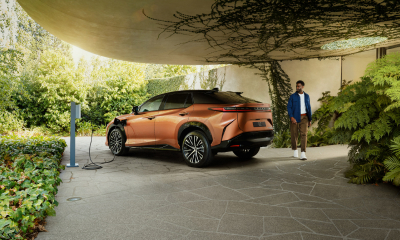
Effortlessly charge your vehicle at home through a household outlet, a dedicated home EV charger or a public charging station available across Australia.
UNCOMPROMISING POWER AND SAFETY
Our All‑Electric vehicles deliver exceptional responsiveness and, with Lexus Safety System+, are designed to offer greater control and peace of mind.
How Battery Electric Works
Powertrain
A Lexus All-Electric uses electricity and a rechargeable battery as its power. No petrol needed, you’ll recharge at home through a household outlet or charger or at a public charging station.
Charging
All-Electric Vehicles must be plugged in to an AC (Alternating Current) or ultra-rapid DC (Direct Current)1 charger to recharge.
Benefits
An All-Electric Lexus harnesses two decades of hybrid battery innovation to deliver pure performance, efficiency and luxury. It’s an electrifying experience – with efficient running costs compared to a conventional car.
Your BEV questions answered
What can impact driving range?
With an All-Electric Lexus, you have options to maximise your range. You can precondition the cabin, which optimises the battery and cabin temperatures while plugged in. Maintaining a mild ambient temperature is also effective, as excessive heating or cooling can reduce range by using a higher amount of battery energy. Travelling at low to medium speeds helps to maximise range through lower energy demands and regenerative braking, whereas travelling longer distances increases energy demands.
WHAT IS THE NEW EUROPEAN DRIVING CYCLE (NEDC) AND THE WORLDWIDE HARMONISED LIGHT VEHICLES TEST PROCEDURE (WLTP)?
The New European Driving Cycle (NEDC) and Worldwide Harmonised Light Vehicles Test Procedure (WLTP) are standardised test procedures that are used to test the energy consumption and range of Battery Electric Vehicles (BEV).
NEDC was introduced in the 1970s and was last updated in 1997. NEDC includes the Urban Driving Cycle test (designed to represent typical driving conditions in a city environment), the Extra-Urban Driving Cycle test (designed to represent typical driving conditions in a high-speed driving environment) and produces a Combined driving cycle result. The test cycles use fixed speeds, fixed gear shift points and fixed acceleration. Ancillary loads, such as the climate control, fan, and lights, are turned off. The test duration is 20 minutes and covers 11km.
WLTP was introduced in Europe in 2017. WLTP includes the Worldwide harmonized Light-duty vehicles Test Cycles (WLTC). The European WLTC includes testing at low, medium, high, and extra high speeds representing stop-start traffic, city driving, suburban driving and higher speed driving respectively. The average test speed and the maximum test speed are higher compared to the NEDC. The test duration is 30 minutes and covers 23.25km.
WLTP is considered to be a better representation of real-world driving than NEDC.
WHY ARE THE NEW EUROPEAN DRIVING CYCLE (NEDC) AND THE WORLDWIDE HARMONISED LIGHT VEHICLES TEST PROCEDURE (WLTP) RESULTS DIFFERENT?
The New European Driving Cycle (NEDC) and Worldwide Harmonised Light Vehicles Test Procedure (WLTP) are both standardised laboratory test procedures that are used to measure energy consumption and range of Battery Electric Vehicles (BEV) and produce results that can be compared between different vehicle manufacturers and vehicle models.
The conditions of the driving cycle tests conducted within NEDC and WLTP are different.
- NEDC has lower average and maximum speeds than WLTP.
- WLTP includes a wider range of driving conditions than NEDC.
- NEDC indicates fixed gear shift points, whereas WLTP does not.
- WLTP simulates a longer driving distance than NEDC.
- NEDC comprises of lower acceleration and deceleration rates than WLTP.
- WLTP tests consider additional optional equipment that could impact energy consumption and range of Battery Electric Vehicles (BEV).
WLTP is considered to be a better representation of real-world driving than NEDC.
HOW CAN I CHARGE MY ALL-ELECTRIC VEHICLE?
With an All-Electric Lexus, you can recharge at home through a household outlet or charger, or at a public charging station.
Experience the luxury of safe, daily charging with an All-Electric Lexus. Every vehicle has been designed without ‘memory effect’ so it’s beneficial to plug in each night regardless of the current charge level. In fact, we encourage overnight charging to ensure you start every day with maximum range so you’re ready for any journey with complete confidence.
Is charging a BEV cheaper than filling a petrol vehicle?
Generally, the cost of charging a BEV tends to be cheaper than filling a car with petrol or diesel. Similar to petrol, prices for charging electric vehicles can vary between different charging stations.
How much does it cost to charge a BEV at home?
Prices will vary depending on your electricity provider. It is best to contact your provider directly.
RZ All-Electric SUV
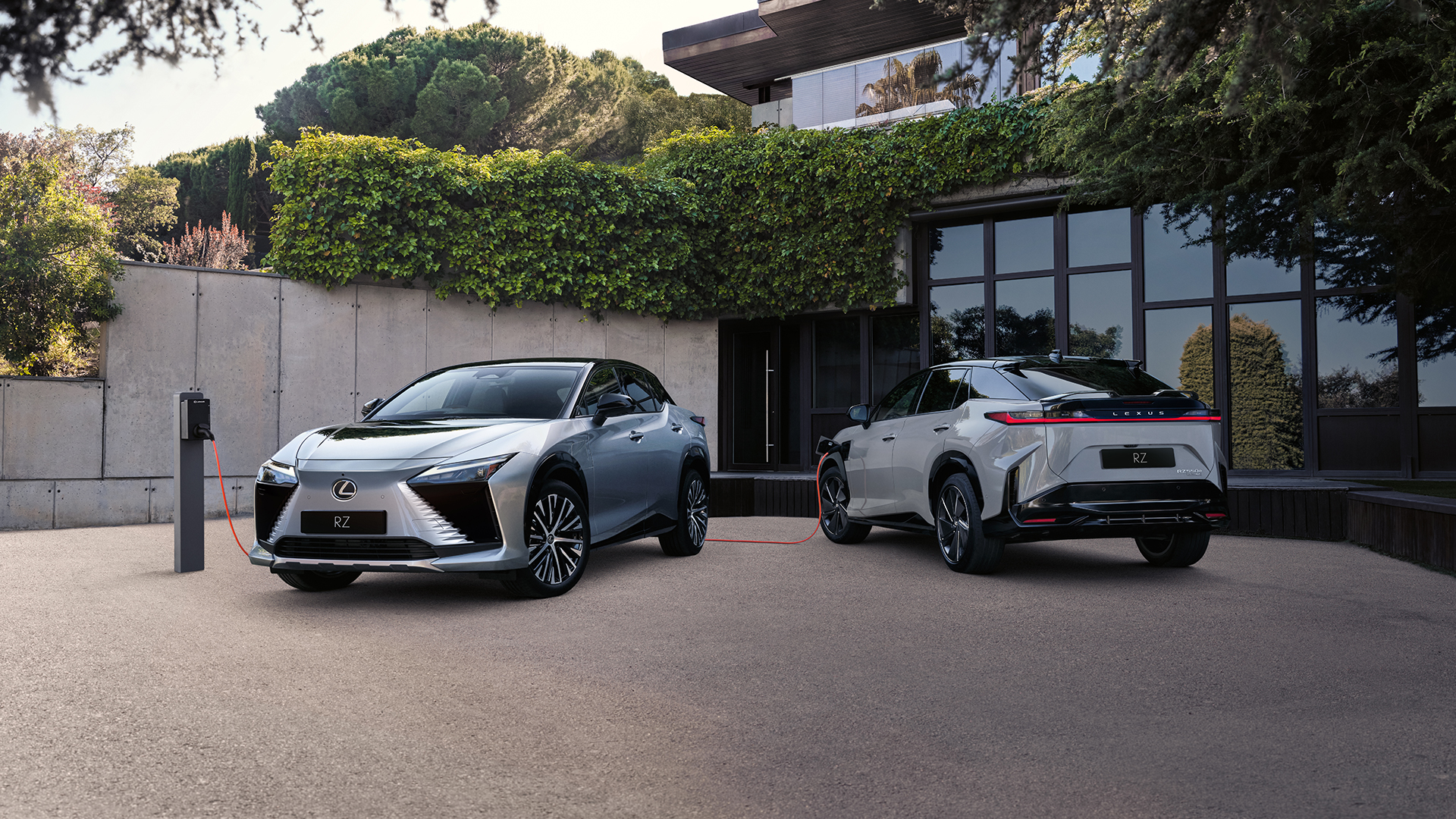
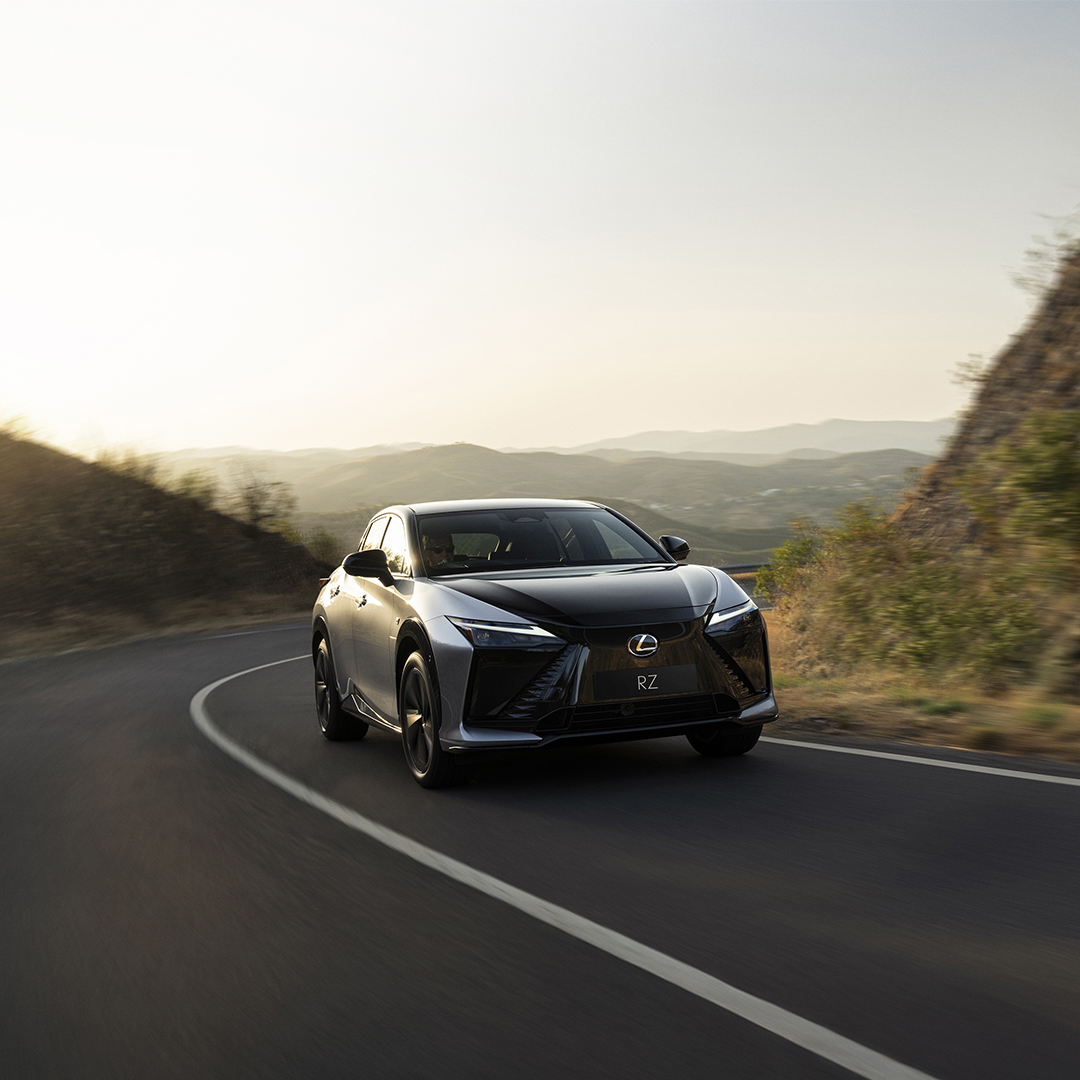
Meet the new All-Electric RZ — harnessing two decades of hybrid battery innovation and a limitless dedication to deliver a powerful, efficient and luxurious driving experience that’s whisper-quiet.
The new All-Electric RZ doesn't just signal a new era in electrified design — it defines it.
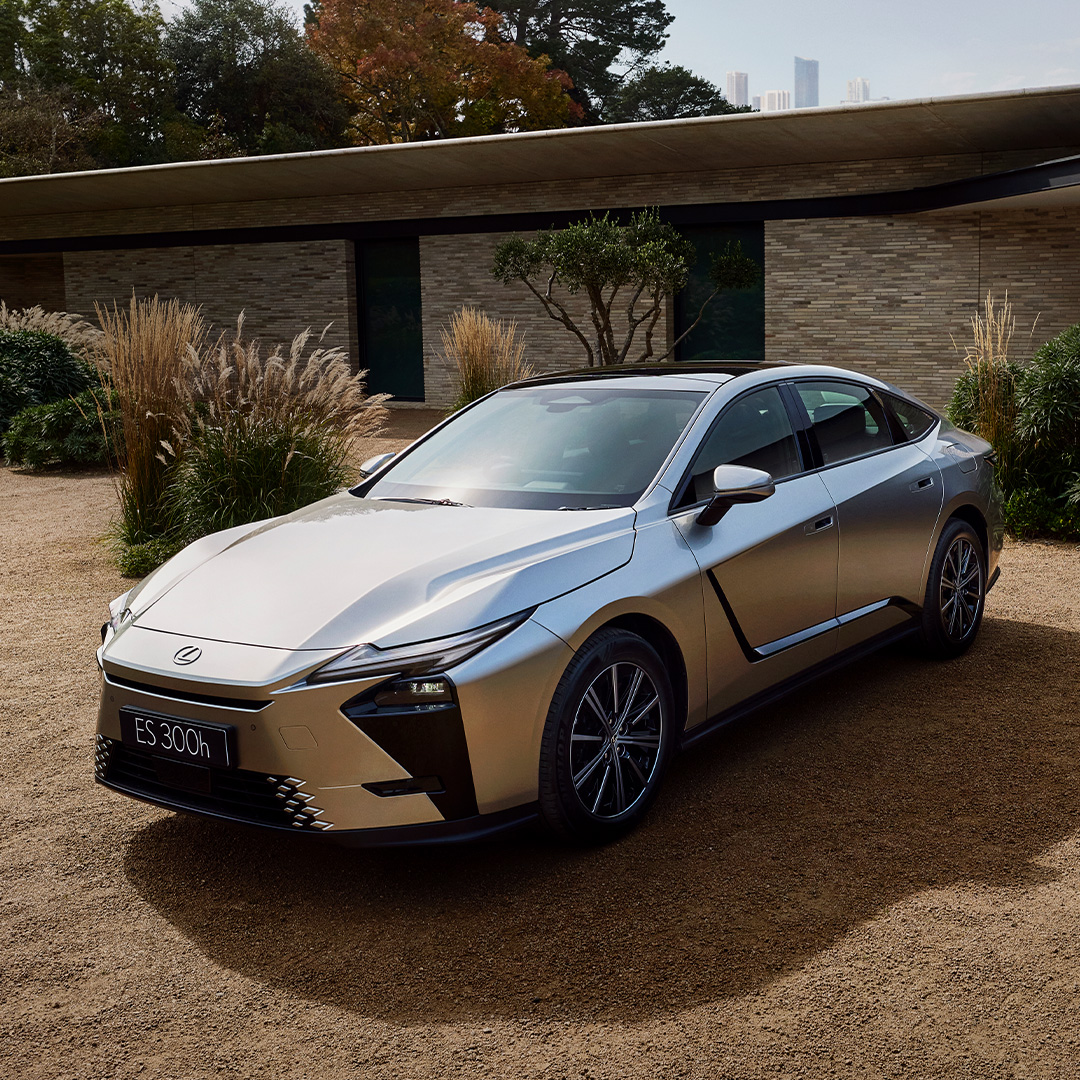
Introducing the All-Electric ES
The all-new ES represents the most significant evolution of the sedan in generations. Building on two decades of hybrid battery innovation, the ES 500e is available as a battery electric vehicle, while the ES 300h offers a self-charging hybrid powertrain.